The first successful IVF cycle was in 1978. It was a fresh transfer that resulted in the birth of Louise Brown.
The first successful frozen embryo transfer was 1984.
Since then the whole world has moved toward frozen embryo transfers. There are advantages of frozen transfers including lower rates of OHSS and reducing the negative impact of ovarian stimulation medications on the uterine lining. This last reason is supported by several studies showing frozen embryo transfers have a higher pregnancy rate than fresh embryo transfers.
As a result of this, and the increased use of PGT-A which requires that embryos be frozen, frozen transfers are now performed more often than fresh transfers in most clinics. At Olive 95% of our embryo transfers are frozen and just 5% are fresh.
As you read this, you are probably questioning what is right for you. The answer is a frozen embryo transfer.
Wait! No.
We need to personalize your care. More and more we are getting data and research that helps us tailor treatment to the individual patient. You have severe endometriosis, you have one blocked tube, you have unexplained infertility, you have PMOS/PCO, you have a fibroid, your uterine lining is stubbornly thin, the sperm motility is poor, etc. Whatever the issue, more and more, we can uniquely address the issue.
Research and AI will help us individualize treatment protocols more than ever. An example of research is a study from July 2026 in Fertility and Sterility
This work suggests that women who are poor ovarian responders might actually do better with a fresh embryo transfer.
The definition of poor ovarian responder is the Bologna Criteria. These criteria define a poor responder as someone who has at least two of these issues:
- Advanced age: Age 40 or older, or presence of another risk factor for poor ovarian response.
- Prior poor response: Yield of 3 or fewer oocytes with a standard conventional stimulation protocol, or a cancelled cycle.
- Abnormal test results: Antral follicle count (AFC) under 5–7 follicles, or anti-Müllerian hormone (AMH) below 0.5–1.1 ng/mL.
This work concludes that freezing all embryos and doing frozen embryo transfers, instead of fresh, did not produce better pregnancy rates compared with fresh embryo transfer in poor responders. “Reproductive outcomes may be improved by performing fresh embryo transfer, which could be explained by a more physiological endometrium or better embryo quality without injury caused by cryopreservation.”
I’ve often done fresh transfers in this subgroup of poor responders, in people who have previously conceived with a fresh transfer, people with a thin endometrium, and a few other groups but seeing this validated in a trial will expand the use of fresh transfers for most fertility specialists.
Talk to your doctor - a frozen embryo transfer might be right for you. It's worth exploring as we learn more and more about subgroups of patients who need different, personalized treatment plans.
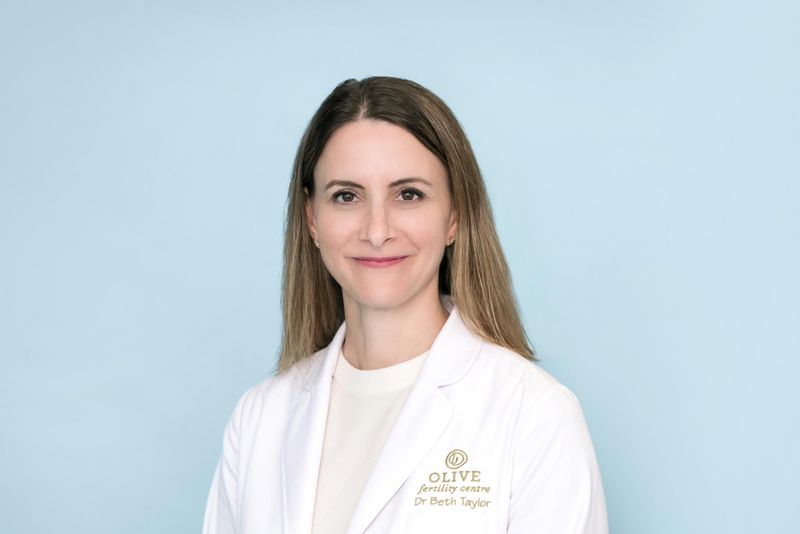
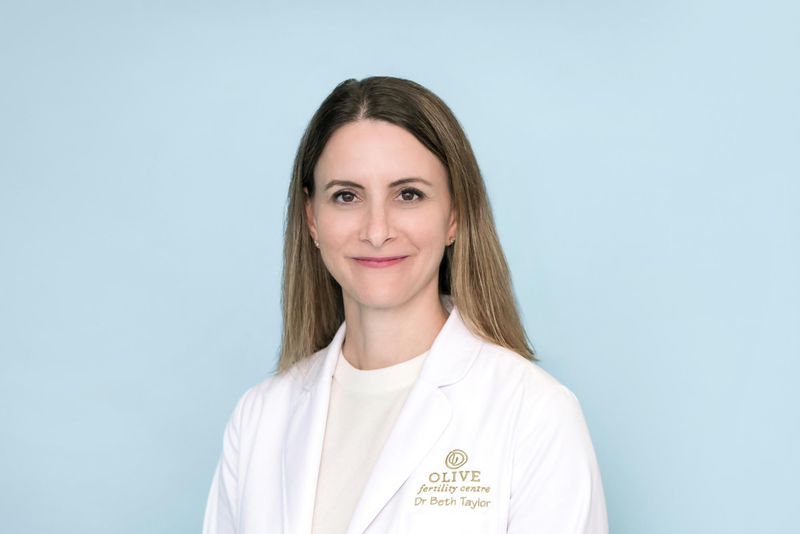
Dr. Beth Taylor